In many cultural institutions, communication still follows a well-established model:
- A poster announces the season;
- A newsletter presents the concerts;
- The box office is open.
This mechanism has worked for a long time and remains essential but in the current digital environment, it is rapidly reaching its limits and is no longer enough.
The problem is not the artistic quality of the offer but the attention available to discover it.
Cultural attention has become a rare resource
Today, audiences are exposed to a continuous flow of cultural, media and digital content.
According to Médiametry, French people spend an average of more than two hours a day on the Internet (Source: Médiametry, The Internet Year 2023).
In this environment, cultural institutions find themselves competing not only with other artistic events, but also with all digital content.
An isolated announcement is therefore likely to disappear quickly in the flow of information.
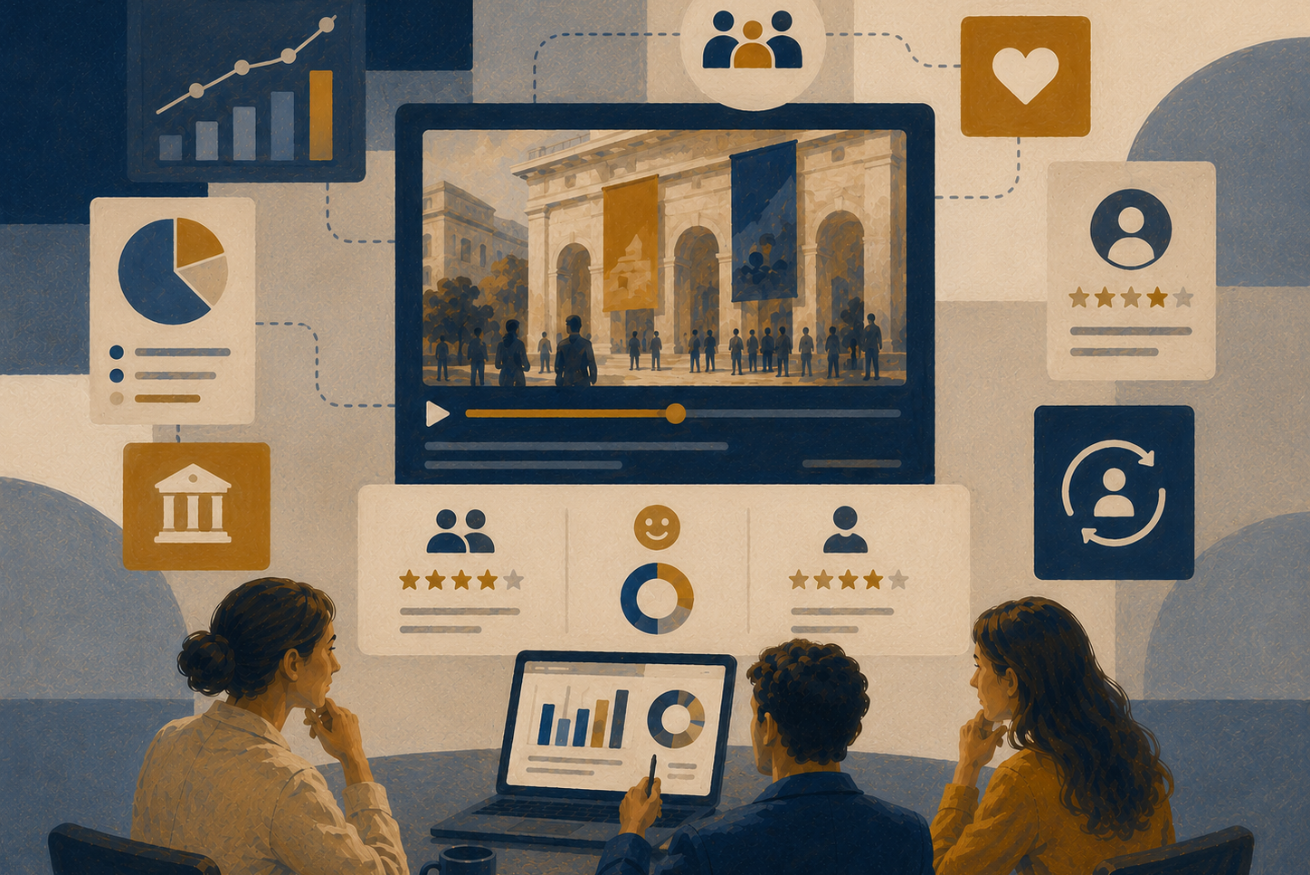
To arouse interest, you must now create an editorial experience around programming to establish a progressive relationship with the public.
DON'T MISS: Standing out on a busy cultural calendar: 4 strategies that have proven to work
Cultural communication becomes an experience
The most dynamic institutions are no longer content with disseminating information when announcing their events.
They develop editorialized users journeys thanks to content that allows the public to discover:
- The programmed works
- The invited artists
- Behind the scenes of creation
- historical or musical context
These contents transform cultural communication into editorial experience and extend the relationship between the institution and its audiences.
Communication ceases to be a one-time moment. She becomes an ongoing conversation.
DON'T MISS : Digital Marketing and Cultural Institutions: Strategies for Engaging Audiences and Boosting Ticket Sales
Digital content creates an emotional connection
Music has a unique advantage in cultural communication: it can be shared directly.
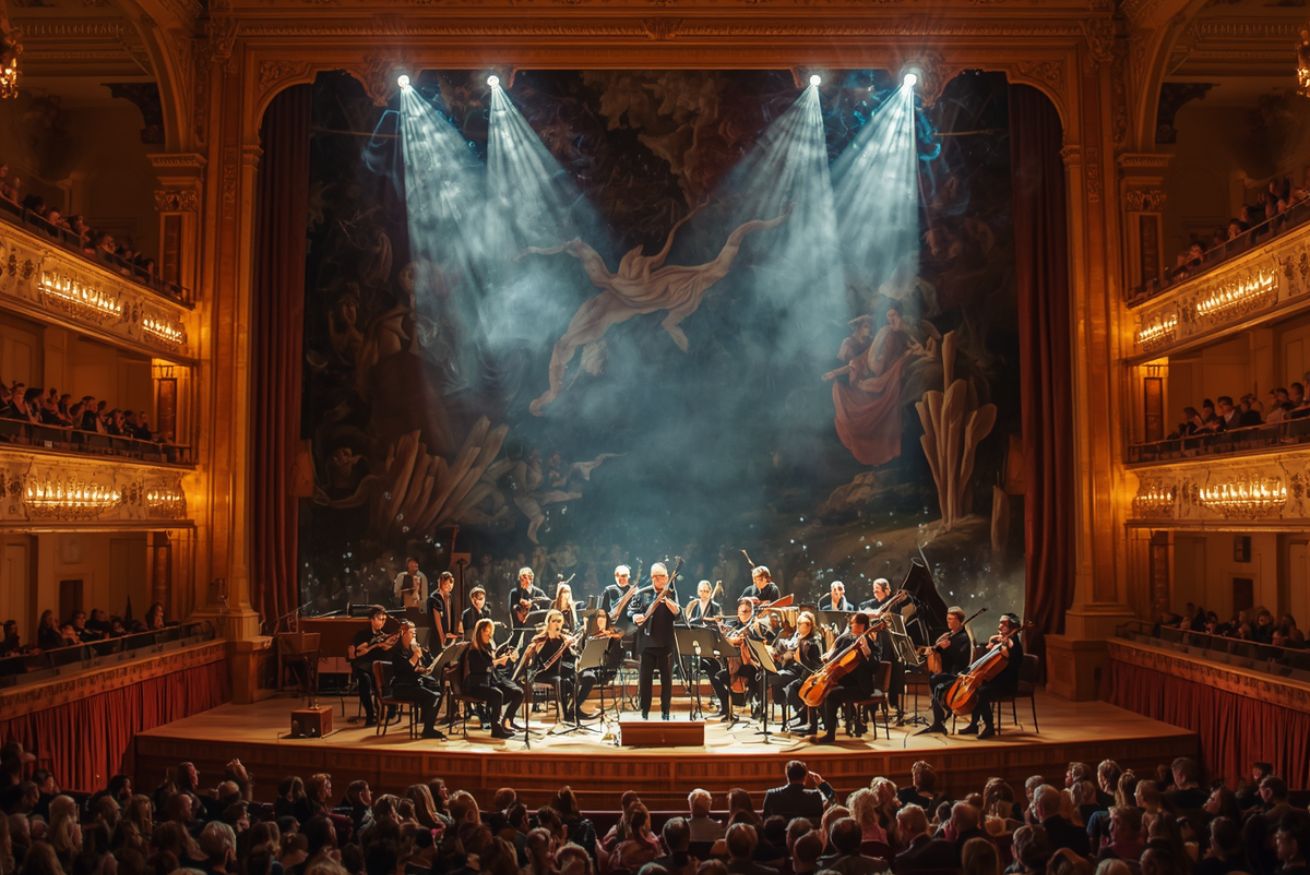
A musical excerpt, a filmed rehearsal or an artist interview create an immediate link with the audience.
Backstage content therefore plays an important role: it shows artistic work, humanizes the institution and makes the experience more accessible.
The public not only discovers the artistic result, but also the creative process that makes it possible.
This human dimension contributes to reducing the symbolic distance sometimes associated with classical music.
DON'T MISS : How to create excitement around a concert using musical teasers
Going from a one-off announcement to a lasting relationship
An effective editorial strategy is based on continuity.
Between two performances, an institution can propose:
- Playlists related to his season
- Musical excerpts
- interviews with artists
- educational content
- Immersions in rehearsals
Each piece of content is an additional point of contact.
Gradually, the public develops a familiarity with the institution and its artistic universe.
This continuity fosters trust, facilitates decision and conversion, and transforms communication into lasting relationship with the public.
What is changing for musical institutions
Moving from event communication to an editorial strategy makes it possible to:
- strengthen public engagement
- modernizing the image of the institution
- valorize programming
- support the ticketing
In other words, digital technology does not replace the room experience.
He prepares to listen and prolong the relationship.
DON'T MISS : Why allowing listening before a concert increases ticket sales